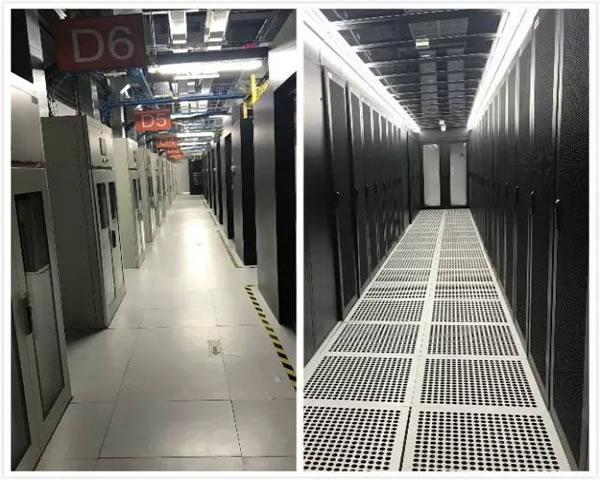
in the digital era, server performance directly affects user experience and business development. as the network center of southeast asia, singapore has many data centers and servers. however, latency issues remain a key factor affecting server performance in singapore. this article will explore how to optimize singapore server latency issues to improve network performance and user satisfaction.
understand the source of latency
latency is the time it takes for data to travel from source to destination. in the case of singapore servers, latency can be caused by multiple factors, including network congestion, physical distance, server configuration, etc. understanding the source of these delays is the first step in optimization. for example, network congestion often occurs during peak hours, causing packet transmission to slow down. by monitoring network traffic, peak periods can be identified and actions taken accordingly.
choose the right server location
the geographical location of the server has a direct impact on latency. choosing a data center located near the user can effectively reduce latency. for users in singapore, choosing a data center located in or around singapore will help reduce data transfer time. in addition, taking into account the needs of global users, cdn (content distribution network) technology can be used to cache content to the node closest to the user, thereby further reducing latency.
optimize network configuration
optimization of network configuration is also key to reducing latency. by adjusting routing settings, optimizing data packet size, and using efficient transmission protocols (such as tcp/ip optimization), the speed of data transmission can be effectively improved. in addition, ensuring that network equipment (such as routers and switches) performs well and regularly updates firmware can avoid performance degradation caused by equipment aging.
choose high-performance hardware
the hardware configuration of the server directly affects its ability to process data. choosing a high-performance cpu, sufficient memory, and fast ssd storage can greatly improve the server's response speed, thereby reducing latency. in addition, regular maintenance and upgrade of hardware to ensure that the equipment is running at its best is also an important measure to reduce latency.
monitor and analyze latency
to effectively optimize latency issues, continuous monitoring and analysis are essential. use network monitoring tools to track delays in real time, identify potential problems, and take timely steps to make adjustments. by analyzing latency data, we can find out the specific causes of high latency and develop more targeted optimization strategies.
leverage cloud services and load balancing
the use of cloud services and load balancing technology can effectively disperse traffic and reduce the pressure on a single server. cloud service providers usually have data centers in multiple regions and use dynamic routing to distribute user requests to optimal servers to reduce latency. at the same time, the load balancer can automatically adjust traffic distribution based on real-time traffic conditions to ensure that the server can still maintain good performance under high load conditions.
optimize website and application performance
performance optimization of websites and applications is also an important part of reducing latency. by streamlining code, optimizing resources such as images and videos, and using browser caching, page loading time can be reduced and user experience improved. at the same time, ensuring that the back-end architecture of websites and applications is efficient and reducing database query time is also an effective means to reduce latency.
conduct regular performance reviews
regular server performance assessments can help identify and resolve potential latency issues promptly. by comparing performance data in different time periods, we can find out the reasons for performance fluctuations and adjust optimization strategies in a timely manner. the assessment should include key indicators such as latency, bandwidth utilization, server load, etc. to ensure that the server is always running optimally.
user feedback and continuous improvement
user feedback is an important basis for optimizing the server. regularly collecting user feedback on your website and app experience can help identify specific signs of latency issues. by analyzing user feedback, we can better understand user needs and make continuous improvements accordingly, thereby improving overall service quality.
summary and suggestions
optimizing the latency problem of singapore servers is an ongoing process that requires comprehensive consideration of multiple factors such as server location, network configuration, and hardware selection. by implementing strategies such as monitoring and analysis, utilizing cloud services and load balancing, and optimizing website performance, latency can be effectively reduced and user experience improved. it is recommended that enterprises conduct regular performance evaluation and user feedback collection to ensure the effectiveness of optimization measures and maintain competitive advantage.
- Latest articles
- Comprehensive Evaluation Of Bandwidth, Latency And Price Helps Complete Thailand Vps Purchase Selection
- How To Use Hong Kong Dial-up Vps Dynamic Adsl To Achieve Home Network Access And Port Mapping
- How To Optimize The System To Improve Bandwidth Utilization And Speed After Purchasing A Vps In Thailand
- Common Misunderstandings About How To Connect To Vietnam Servers To Avoid Triggering Regional Bans
- GP Singapore Server Stability In-depth Evaluation And Deployment Best Practice Guide
- Website Migration Case Sharing SEO And Speed Changes After Switching Between Hong Kong Vps And Japanese Vps
- The Technical Team’s Experience Discusses The Three Core Indicators For Choosing The Best Vps In Korea
- Performance Tuning And Monitoring Methods Of Vietnam Cn2 Network In High Concurrency Scenarios
- Buy Cloud Servers In Thailand At Low Prices, Compare Manufacturer Discounts And Long-term Operation And Maintenance Costs
- Enterprise Deploys Japanese Native Dynamic IP Address Load Balancing And Failover Solution
- Popular tags
-

Linode Singapore's Cn2 Service Performance Evaluation
this article conducts a detailed evaluation of linode's cn2 service in singapore, covering analysis of performance, stability, applicable scenarios, etc. -

Precautions And Suggestions For Transfer Of Second-hand Servers In Singapore
This article discusses precautions and suggestions for transferring second-hand servers in Singapore to help you make informed decisions when purchasing or selling used servers. -

Introduction To The Services And Facilities Of Singapore Cn2 Hosting Computer Room
this article introduces the services and facilities of singapore's cn2 hosting computer room, including network environment, computer room security, technical support, etc., to help you choose the appropriate hosting service.